What Are Seed Keywords?
A seed keyword is a keyword without any modifiers, also known as a short-tail keyword.
It’s typically made up of one or two words and has a high monthly search volume. And lots of competition.
Think of seed keywords as the pillars of a website optimization strategy. They cover your site’s most important topics and are the starting point for keyword research that will shape your SEO strategy.
You modify seed keywords with more words. This creates either a medium-tail or long-tail keyword with the seed keyword at the root. Identifying those is the basis of keyword research.
The modifiers you add to a seed keyword usually clarify the seed keyword or describe it more fully, like with a niche or a location.
For example, the keyword “marketing” could become “product marketing” or “marketing strategy” with the addition of modifiers.
Here are some more examples:
| Seed Keyword | Medium-Tail Keyword Example | Long-Tail Keyword Example |
| Art ideas | Pixel art ideas | How to make pixel art |
| Lean manufacturing | 5s lean manufacturing | Lean manufacturing vs. six sigma |
| Laptop review | Laptop reviews 2024 | Dell G15 gaming laptop review |
Basically, seed keywords spawn all of your other keywords. Which is the main reason it’s so important to get them right.
Why Are Seed Keywords Important for Keyword Research?
Seed keywords are important for conducting keyword research because they're the basis for medium- and long-tail keywords.
Long-tail keywords are used to optim
ize subpages. Those subpages are linked internally to other pages like pillar pages, the homepage, or product pages. And help them rank for seed keywords.
Get the seed keyword wrong—get the whole site structure wrong. Then, end up with irrelevant traffic.
Semrush’s Keyword Strategy Builder can help you analyze seed keywords and identify opportunities to create relevant content—including pillar pages, cluster pages, and more.
Here’s how:
Open the tool and type up to five seed keywords into the box. Here, we’ll use variations of “tennis racket” as our seed keywords. Then, click "Create List."

The tool will generate a comprehensive list of potential keywords related to your seed terms. We got 833 potential keywords organized into 47 clusters. A cluster is a group of similar keywords based on search intent.

Use these insights to find promising keyword clusters and strategically plan your content creation efforts. Whether you're developing pillar pages to establish authority on broad topics or crafting pages to target specific long-tail keywords.
How to Find Seed Keywords
Find seed keywords through five different methods—brainstorming, analyzing search engine results pages (SERPs), examining your website traffic, monitoring your competitors' website traffic, and searching online forums.
Each of these sources can be a goldmine of potential seed keywords. If you know where to look.
Start with Brainstorming
You might already have some ideas for seed keywords. Those ideas are some of the best places to start.
Consider your products. Your customers. Your competitors. What main language do they use to describe themselves? What terms come to mind easily?
For example, say you sell shampoo. Your brainstormed list of seed keywords might look like this:
- Shampoo
- Conditioner
- Hair products
- Hair washing
Analyze these seed keywords by running them through our keyword tool. Launch the tool and type one of your example keywords into the search bar. Then, click "Search."
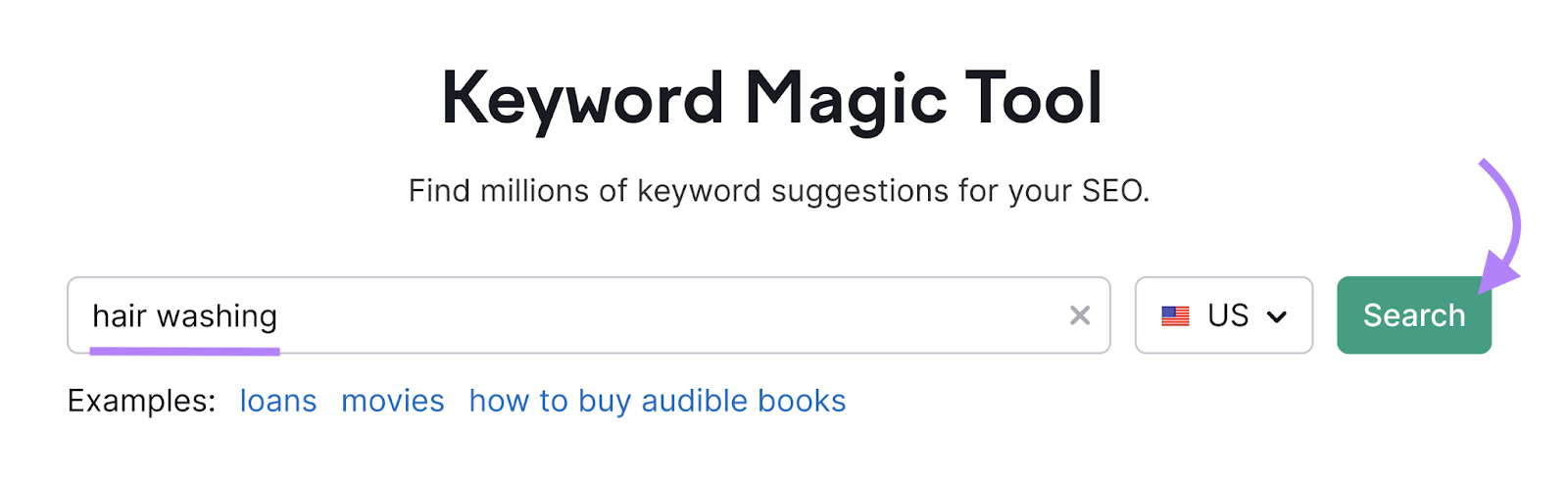
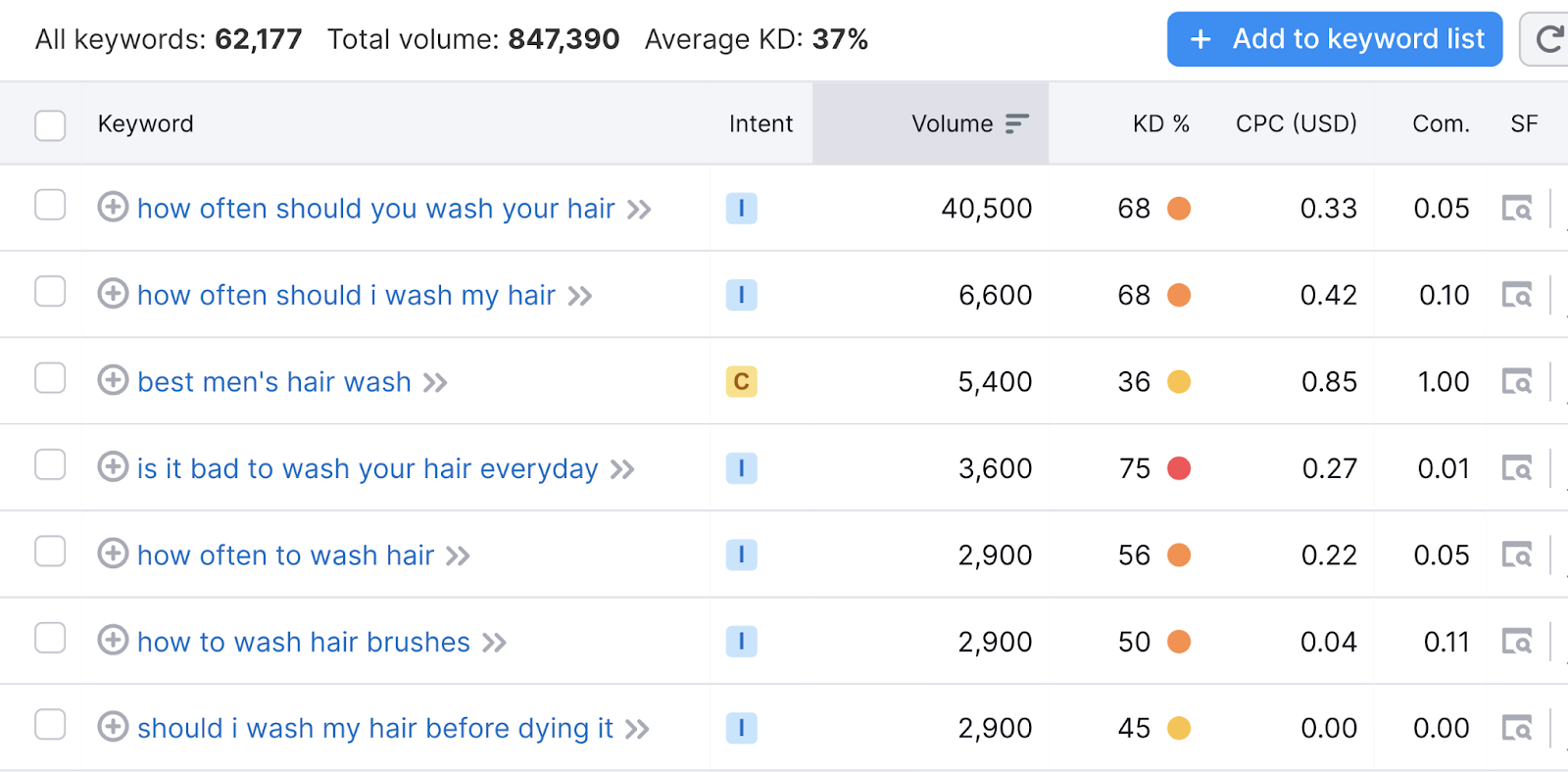
It’ll automatically generate a list of keywords that are a “Broad Match” for your seed keyword. Those are potential long-tail keywords. They should give you an idea of whether or not you’re on the right track.
You’re looking for seed keywords that generate lots of relevant long-tail keywords. You want them to be able to drive a meaningful amount of potential traffic to your site.
Our search found several long-tail keywords related to hair washing tips. These are very relevant queries for a shampoo company.
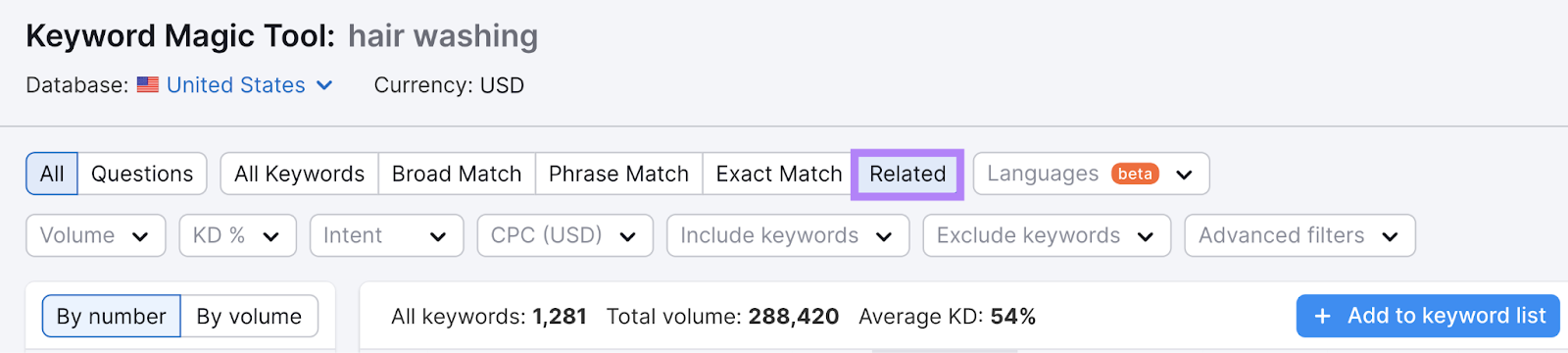
The Keyword Magic Tool also helps you find additional seed keywords. Toggle to “Related” in the filters beneath the search bar. This will show you other keywords related to your seed keyword. Some of which may be seed keywords themselves.
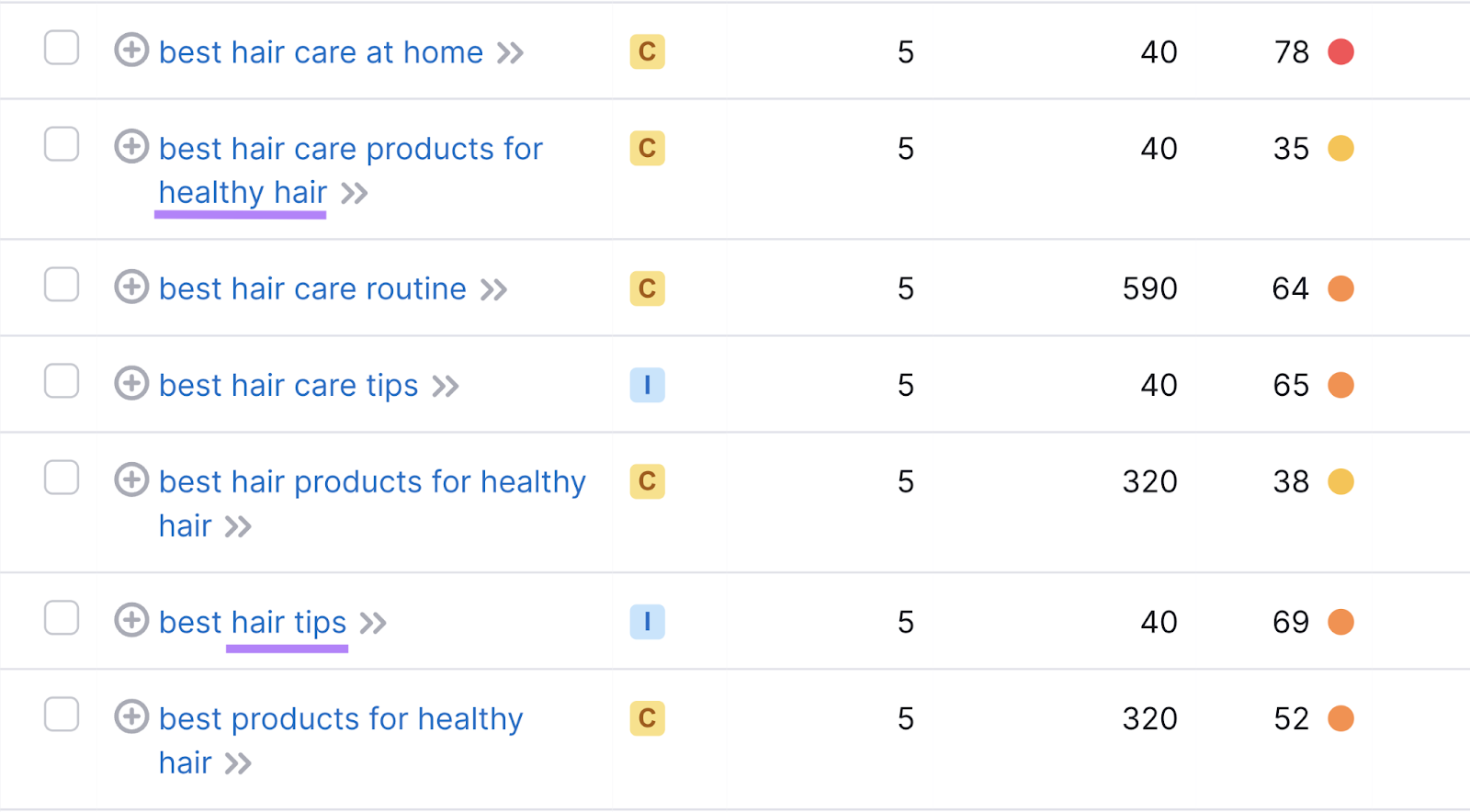
For instance, our related keyword list for “hair washing” included terms like “hair tips” and “healthy hair,” two potential seed keyword candidates.
Check Out Google’s SERPs
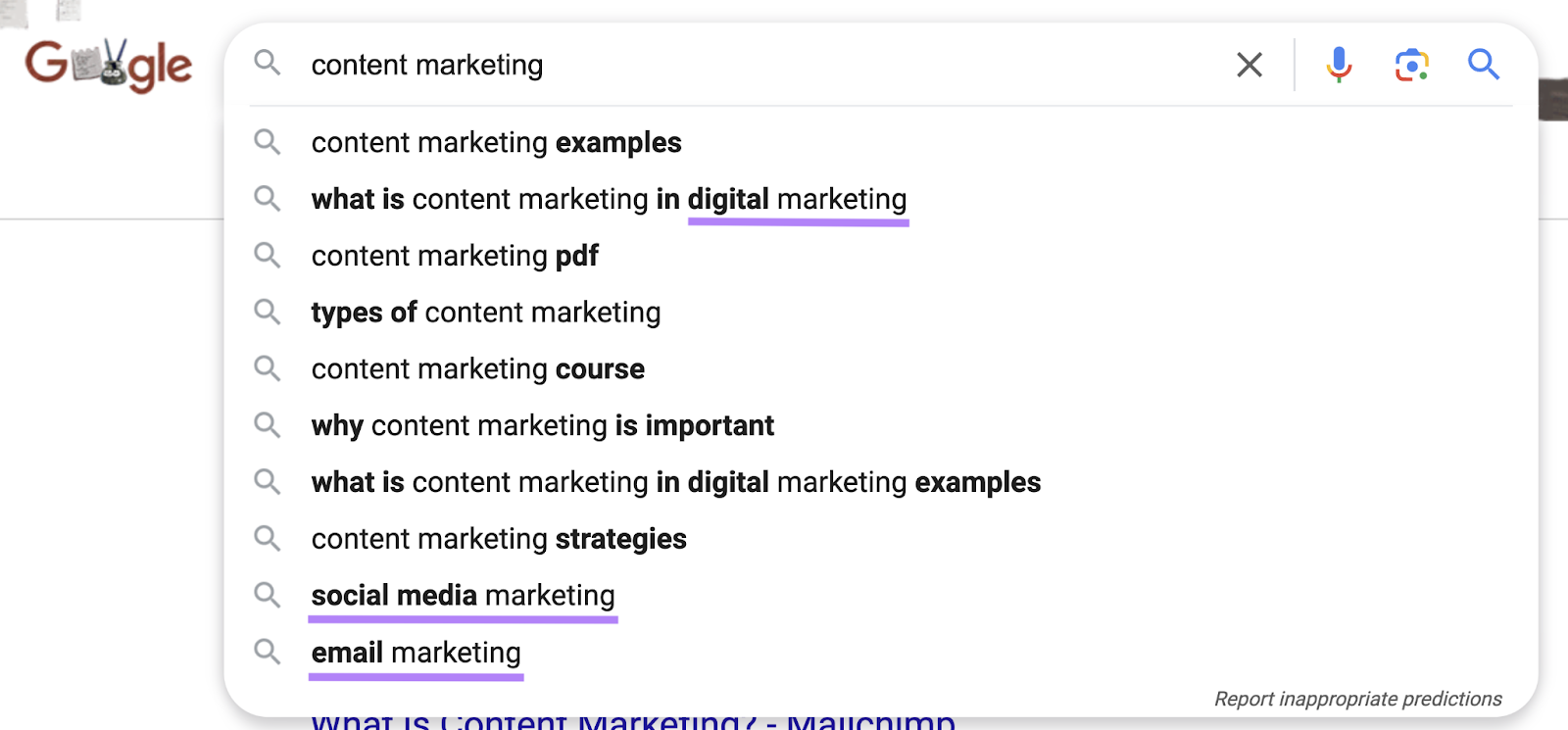
Learn how to find seed keywords by analyzing the SERPs. Type one of your brainstormed seed keywords into the search bar. Google will give you new ideas before you even search.
When we type “content marketing,” Google suggests other terms for us to search.
This suggested list includes other potential seed keywords, like “digital marketing,” “social media marketing,” and “email marketing.”
There are more ideas in the SERP once you click search.
In the featured snippet for “content marketing,” we see other terms like “marketing strategy, “audience,” “brand awareness,” and more. Each of these is a potential seed keyword.

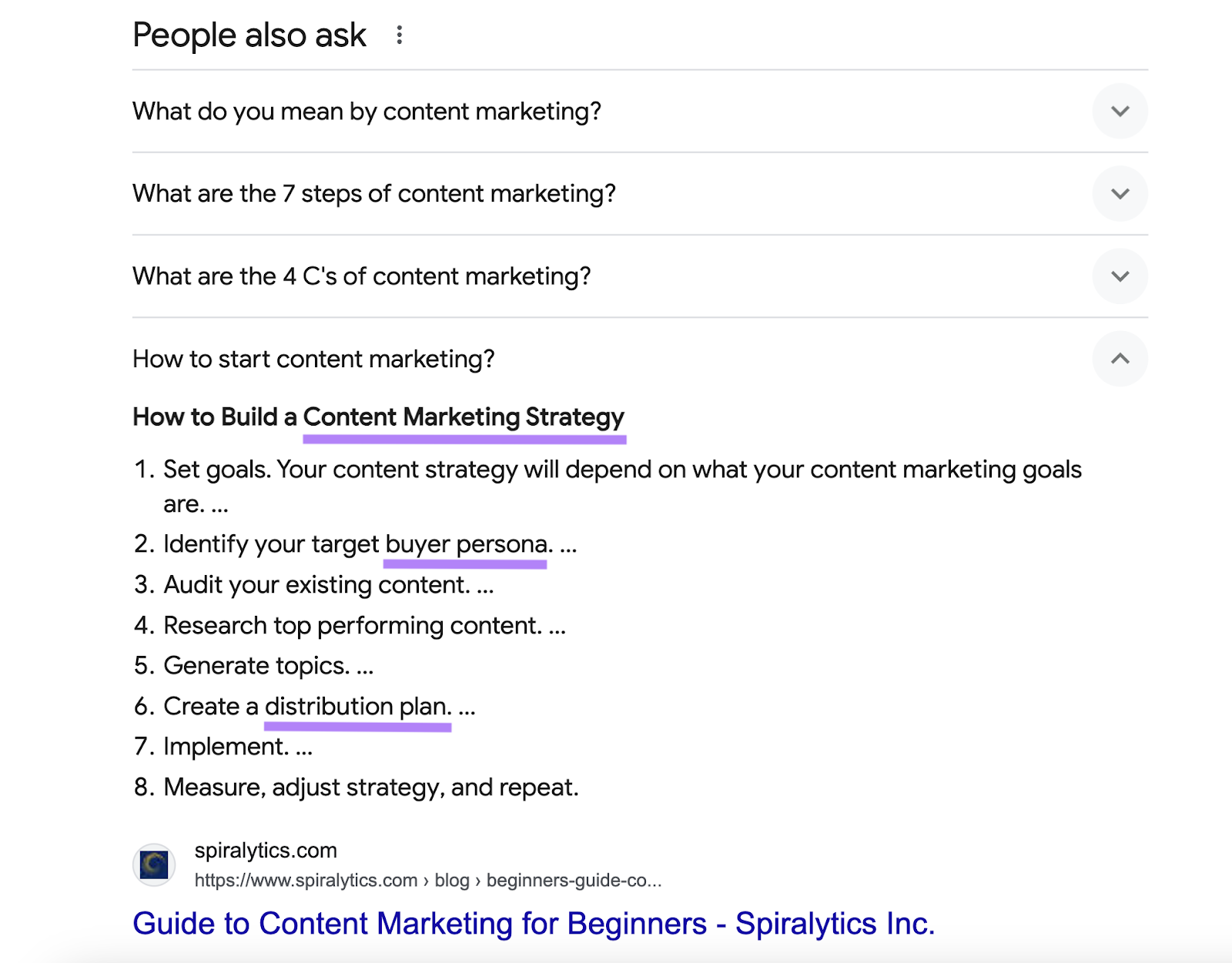
Find more seed keywords in the “People also ask” box lower down the SERP. Click to expand the questions to see more questions and more potential seed keywords.
Here, we see potential keywords like “content strategy,” “buyer persona,” and “distribution plan.”
The SERP also has a “People also search for” module. It can contain several other potential seed keyword ideas.
Sometimes, a SERP will also have a video module. Those video results will list key moments, which can also hide potential seed keywords. Like “social media marketing” in this case.

If you're unsure whether something is a good seed keyword, check how competitive it is with our free keyword difficulty checker.
Open the tool and type in your potential keyword. Click "Search."
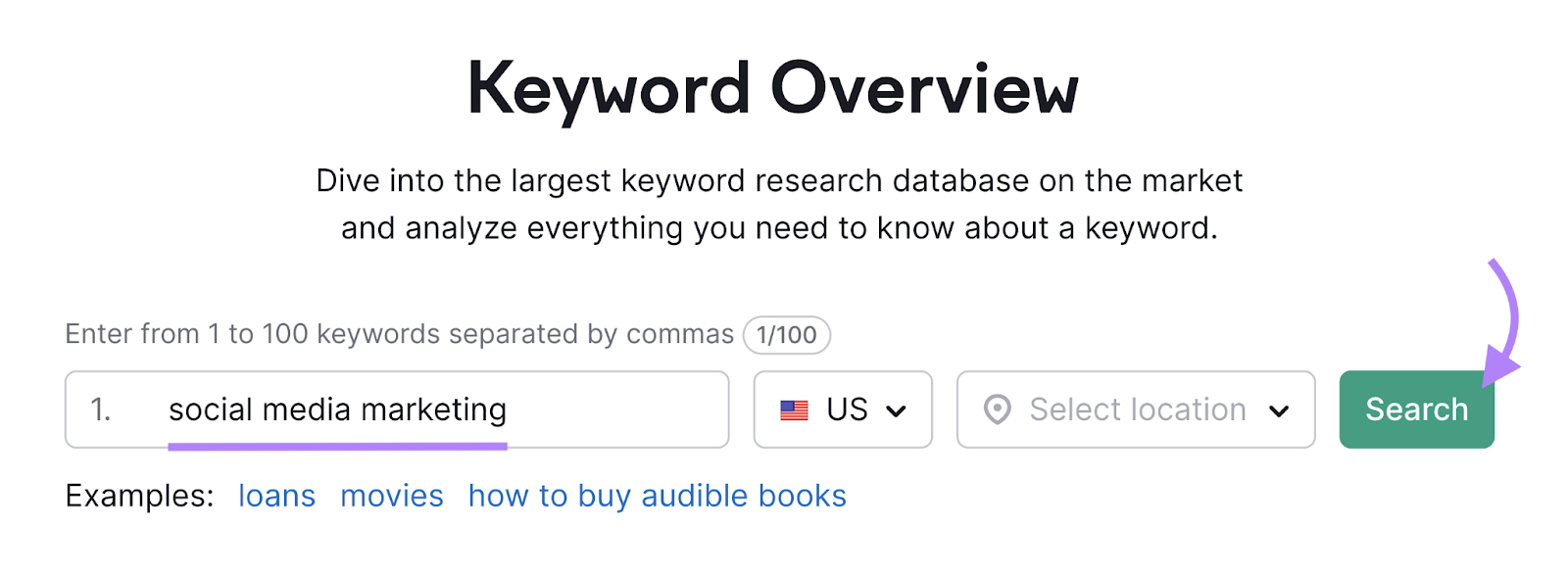
You’ll be shown a quick overview of the keyword’s difficulty (KD%) and search volume.
You want to choose seed keywords that have the potential to drive a meaningful amount of traffic to your website. And give you thousands of potential long-tail keywords to work with.
In this case, "social media marketing" could be a good seed keyword.
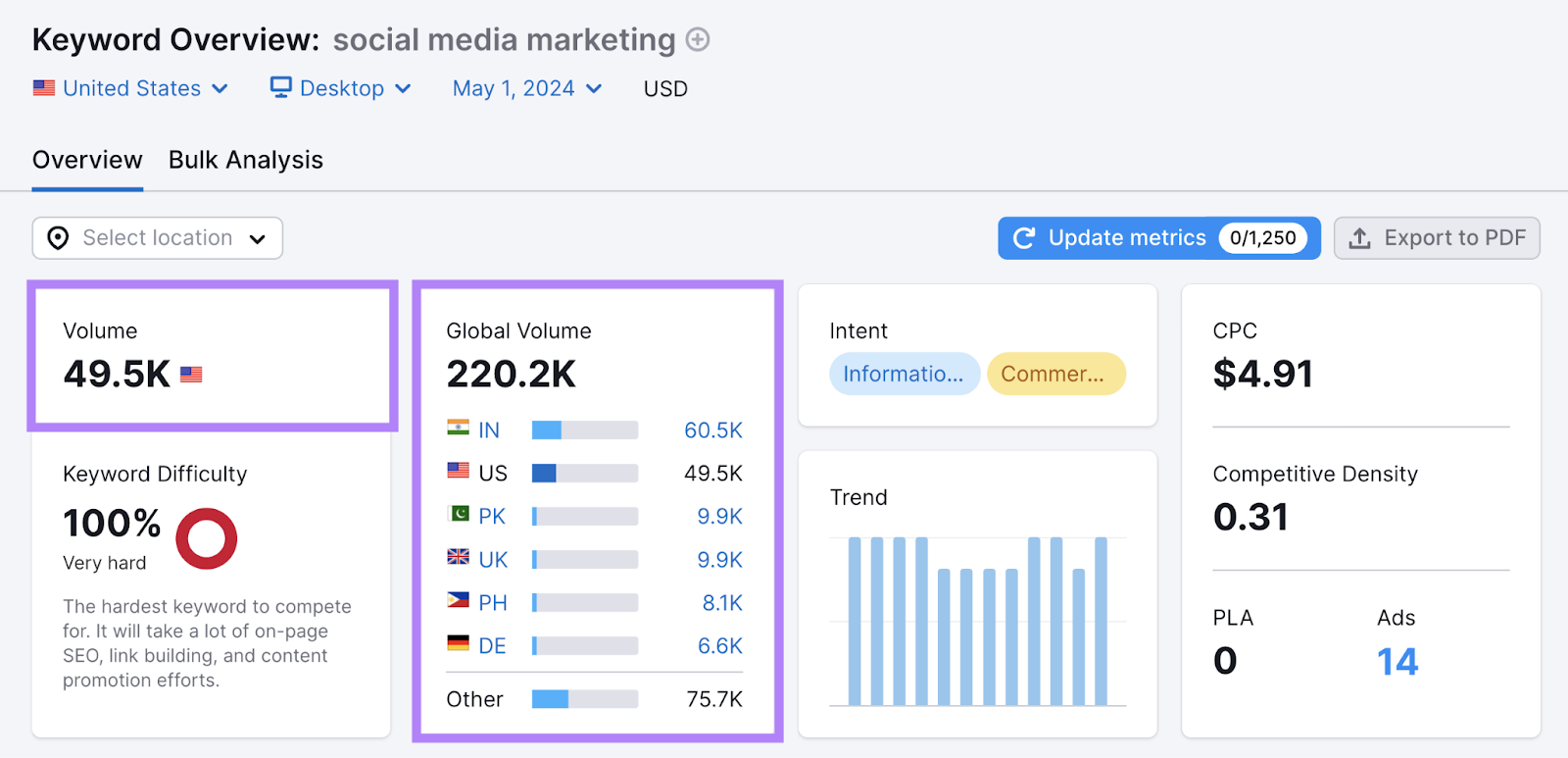
Under “Keyword ideas” further down the page, there are variations of the term. The listed questions can also help you determine whether a seed keyword is relevant.

You don’t need ideas to find seed keywords, though. Start with the keywords you already rank for.
Use Google Search Console
If you already have a website, connect to Google Search Console (GSC). We’ll walk through how to identify seed keywords with this useful tool.
GSC will show you the search results for which you already rank.
Open the tool and click “Search Results” in the left-hand navigation. You’ll see a graph showing clicks and impressions over time. Scroll down to see the full list of keywords.
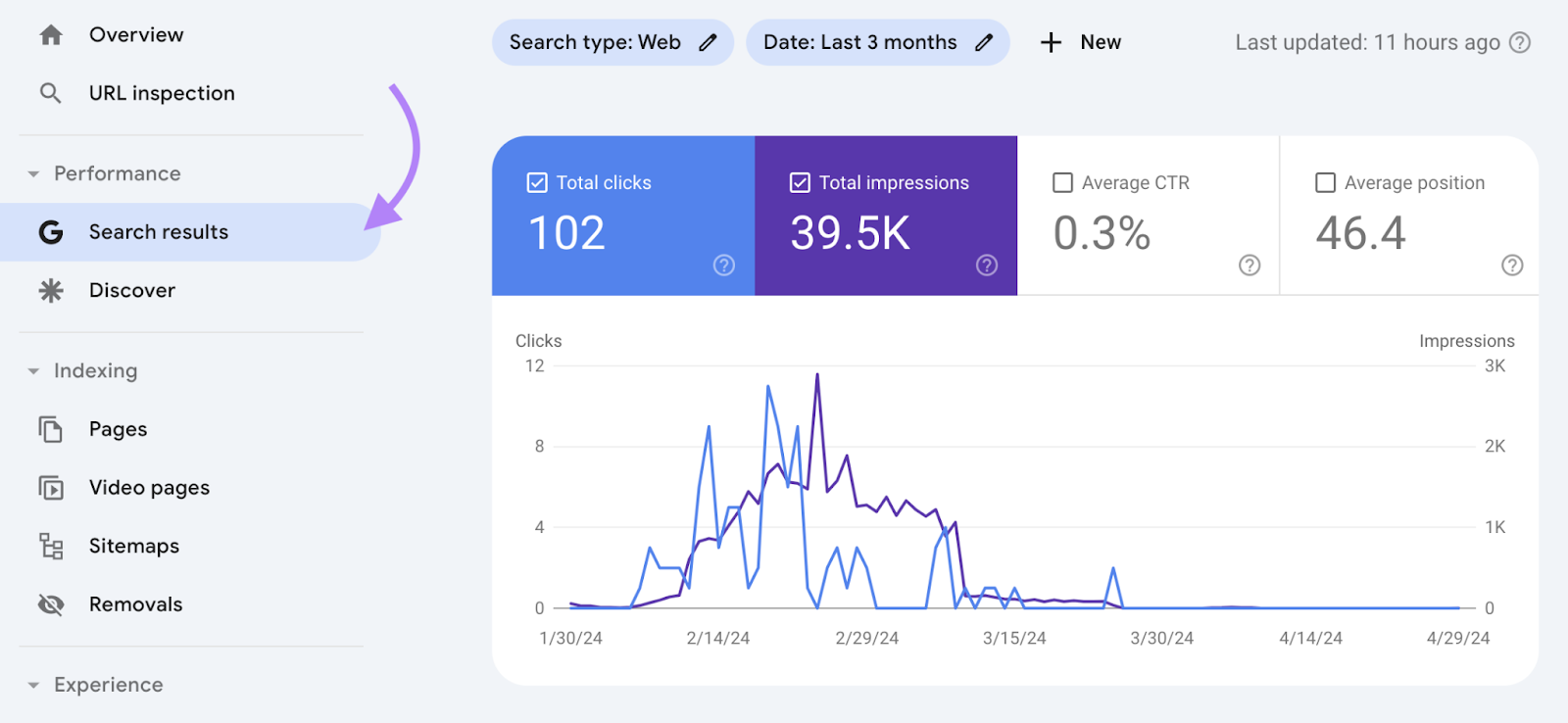
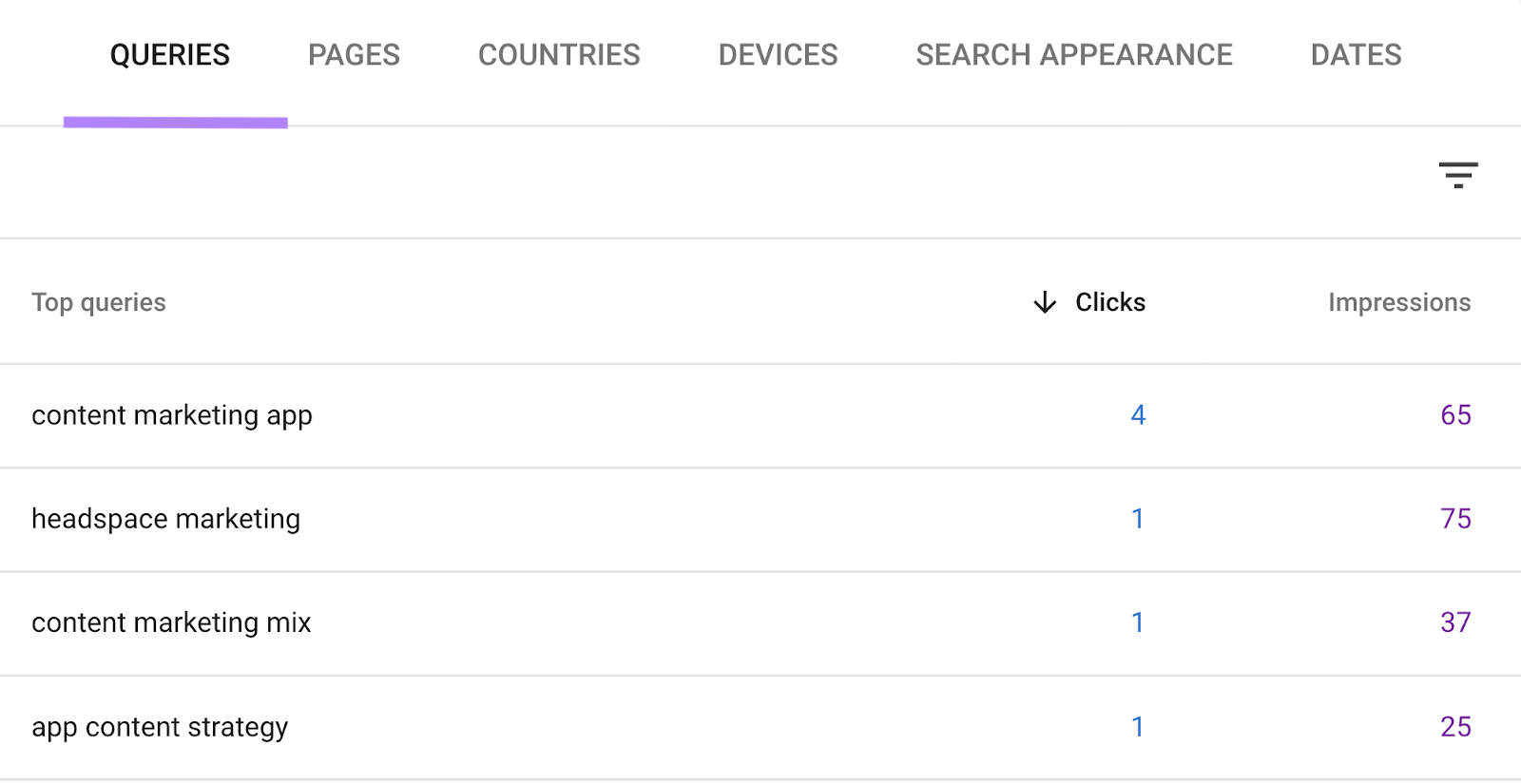
You’ll find a full list of keywords under a tab labeled “QUERIES.” You can organize them by impressions or clicks. Organizing by impressions will show you the keywords for which you rank highly and have a lot of search volume.
In this example, we see relevant keywords like “content marketing app” and “headspace marketing.” These might make good potential seed keywords.
Take these keywords back to the keyword tool to confirm. We searched “app content strategy.”
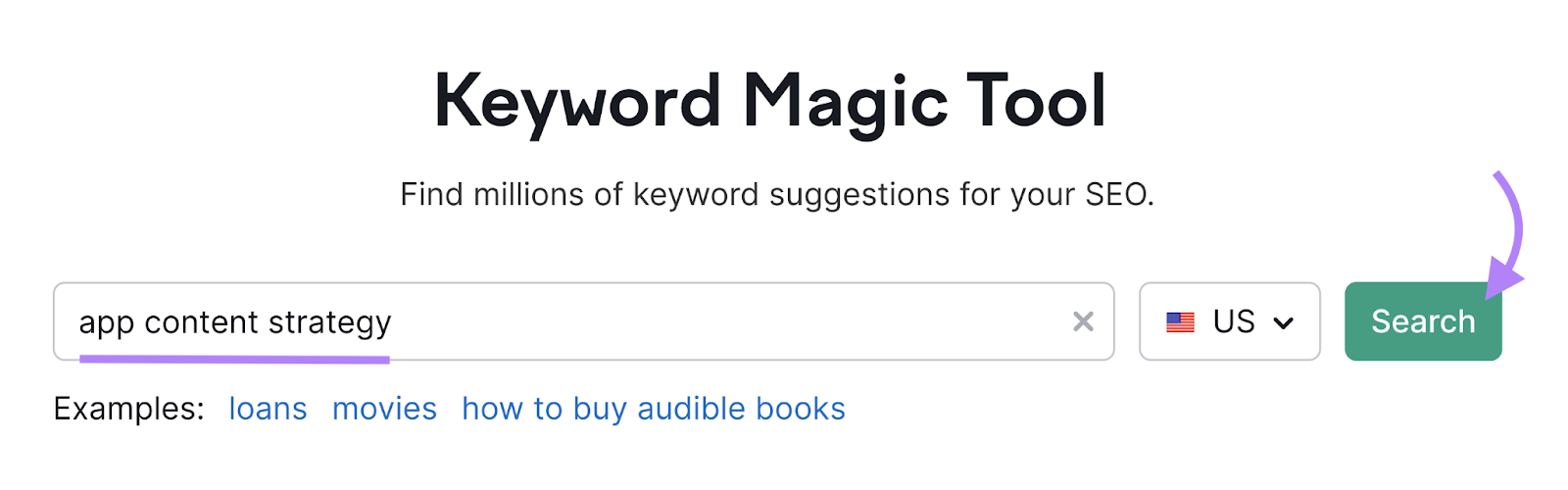
Based on the potential long-tail keywords, it could be valuable to our seed keyword strategy.

Even with low search volume, it might make sense to create content with the goal of ranking for this keyword. Terms that have a low volume but are hyper-relevant to your business could be worth it because they’re more likely to convert.
Forums and Online Communities
You can also get seed keywords directly from consumer feedback. Do this by researching how they ask questions on forums and online communities.
Let’s say you run a website that provides interior design advice. A quick search on Reddit for “interior design” turns up a list of relevant subreddits.

We found many customers asking questions about interior design on r/InteriorDesignAdvice. The example post below contains several potential seed keywords, like “room layout” and “furniture layout”:

A search on Google for “interior design forum” turned up Houzz, a place where customers can ask interior design questions to professionals.
Just scanning the titles of posts reveals several potential seed keywords. Like “fireplace,” “wallpaper,” and “room makeover.”

The last stop for potential keywords takes you beyond yourself and your customers—to your competition.
Analyze Your Competition
Another way to find seed keywords is a competitor analysis. Analyze competitors' websites to see what seed keywords send them traffic.
Let’s say you want to teach basketball lessons in Westfield, New Jersey.
You’ll be up against websites like the local YMCA, coaching marketplaces, and other local competitors.
You’ll need an SEO tool like Organic Rankings to analyze their domains.
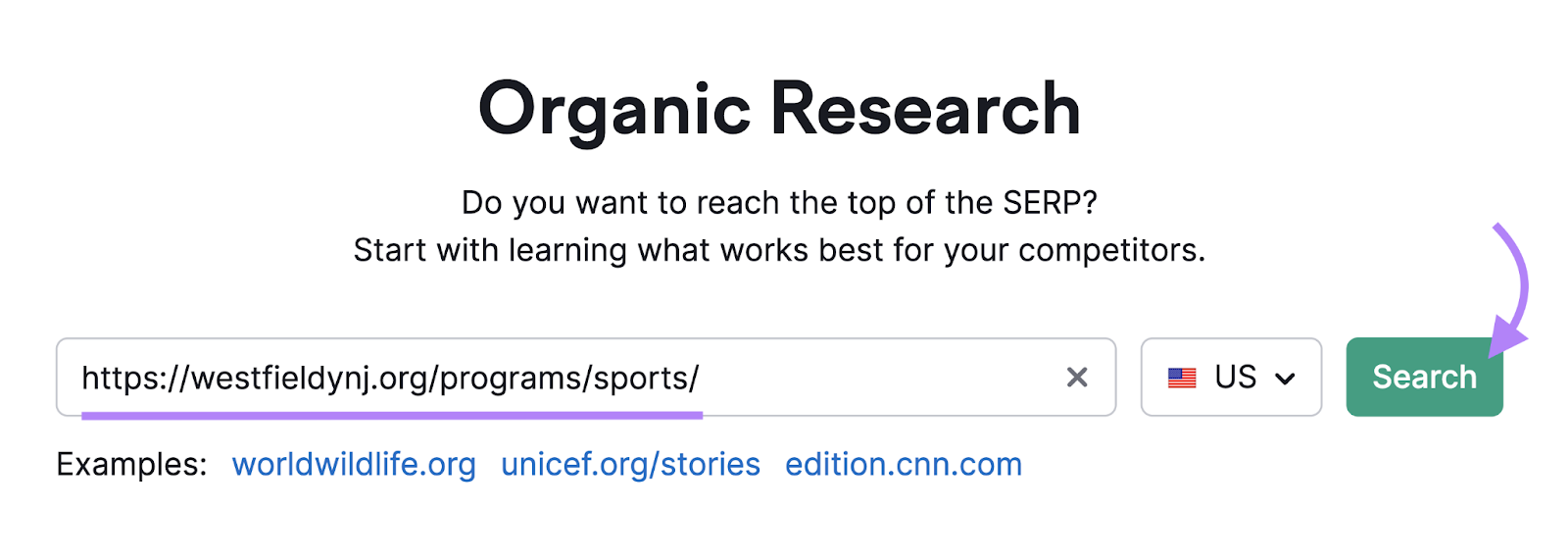
Open the tool, then copy and paste your competitor's domain into the search bar. Next, click “Search.”
In this case, we’ll analyze the local YMCA site in Westfield, NJ.
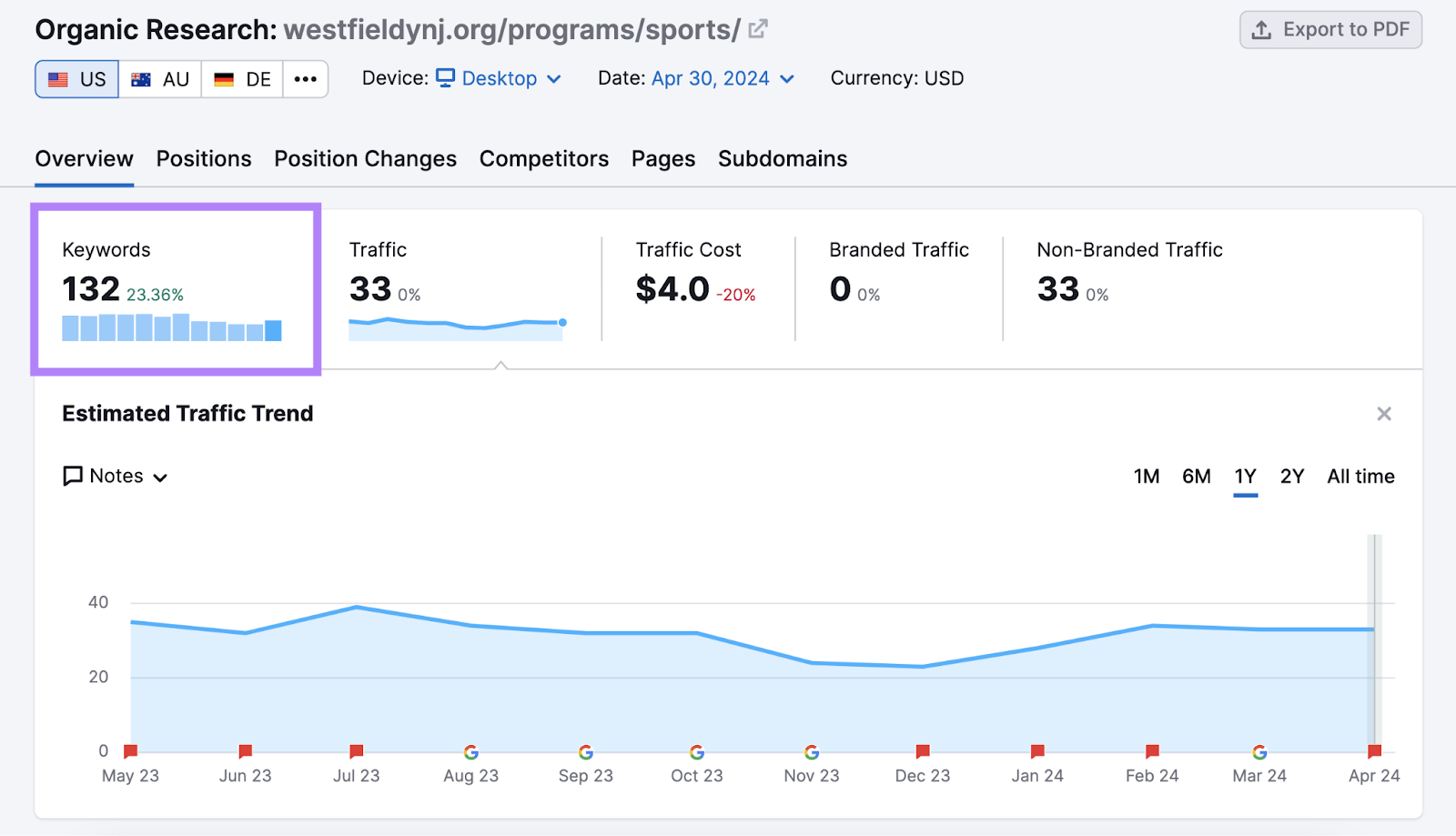
You’ll see an overview of the domain. It includes the number of keywords the site ranks for.
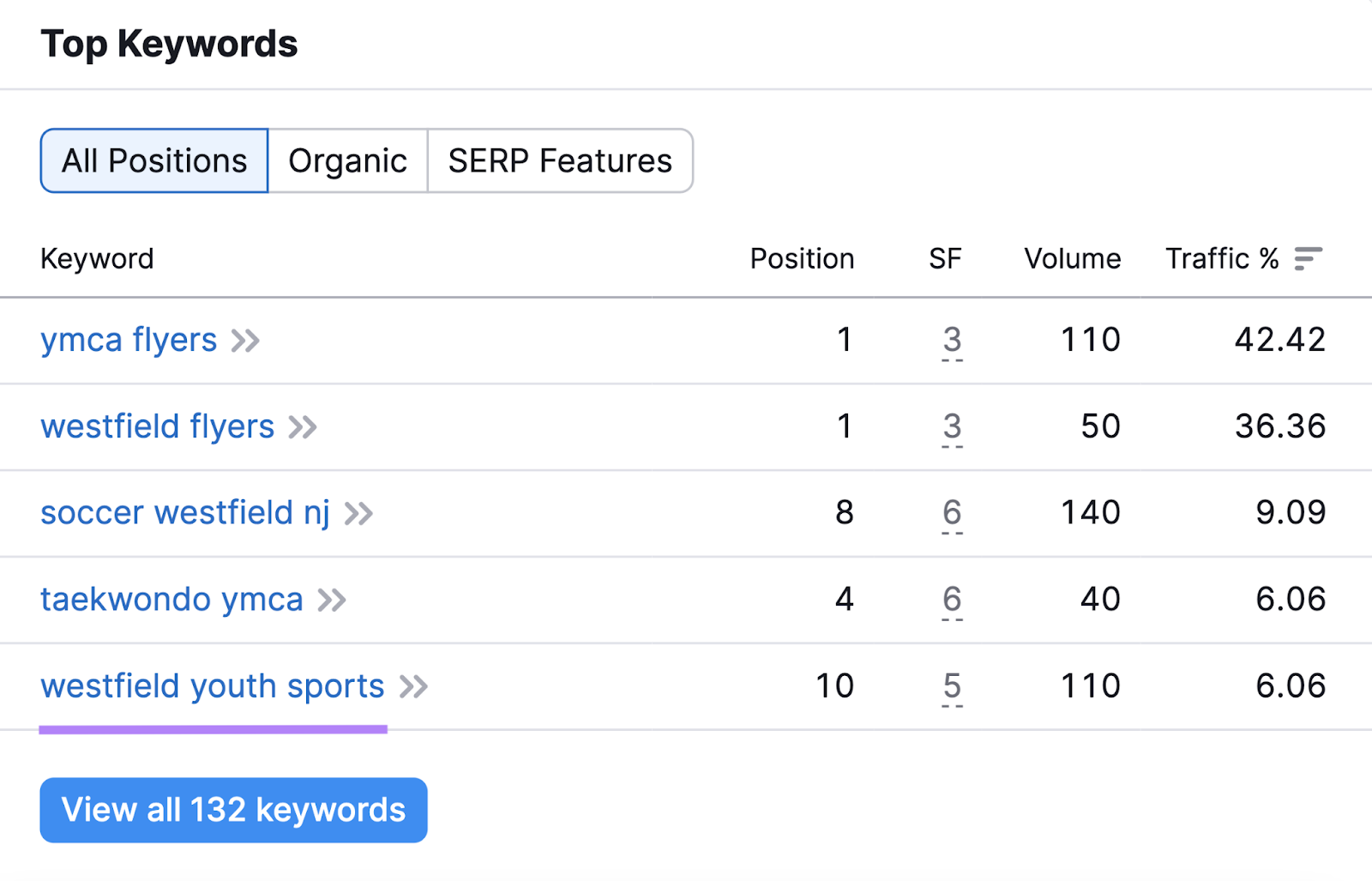
Scroll down to “Top Keywords” to see their best performers. We can see that “westfield youth sports” is relevant to our strategy and could serve as a good keyword.
Generate Thousands of Keyword Ideas with Semrush
The whole point of tracking down seed keywords is to use them for keyword research. Eventually, you can optimize your site to rank for them. Do this by ranking for long-tail keywords first.
Find both seed keywords and relevant long-tail keywords using Semrush tools:
- Analyze seed keywords using Keyword Strategy Builder
- Brainstorm related medium- and long-tail keywords with Keyword Magic Tool
- Discover your competition’s best-performing keywords with the Organic Rankings tool
Start expanding your new seed keyword list into a long-tail keyword list today. Sign up for a free trial of Semrush to use our entire suite of SEO tools.